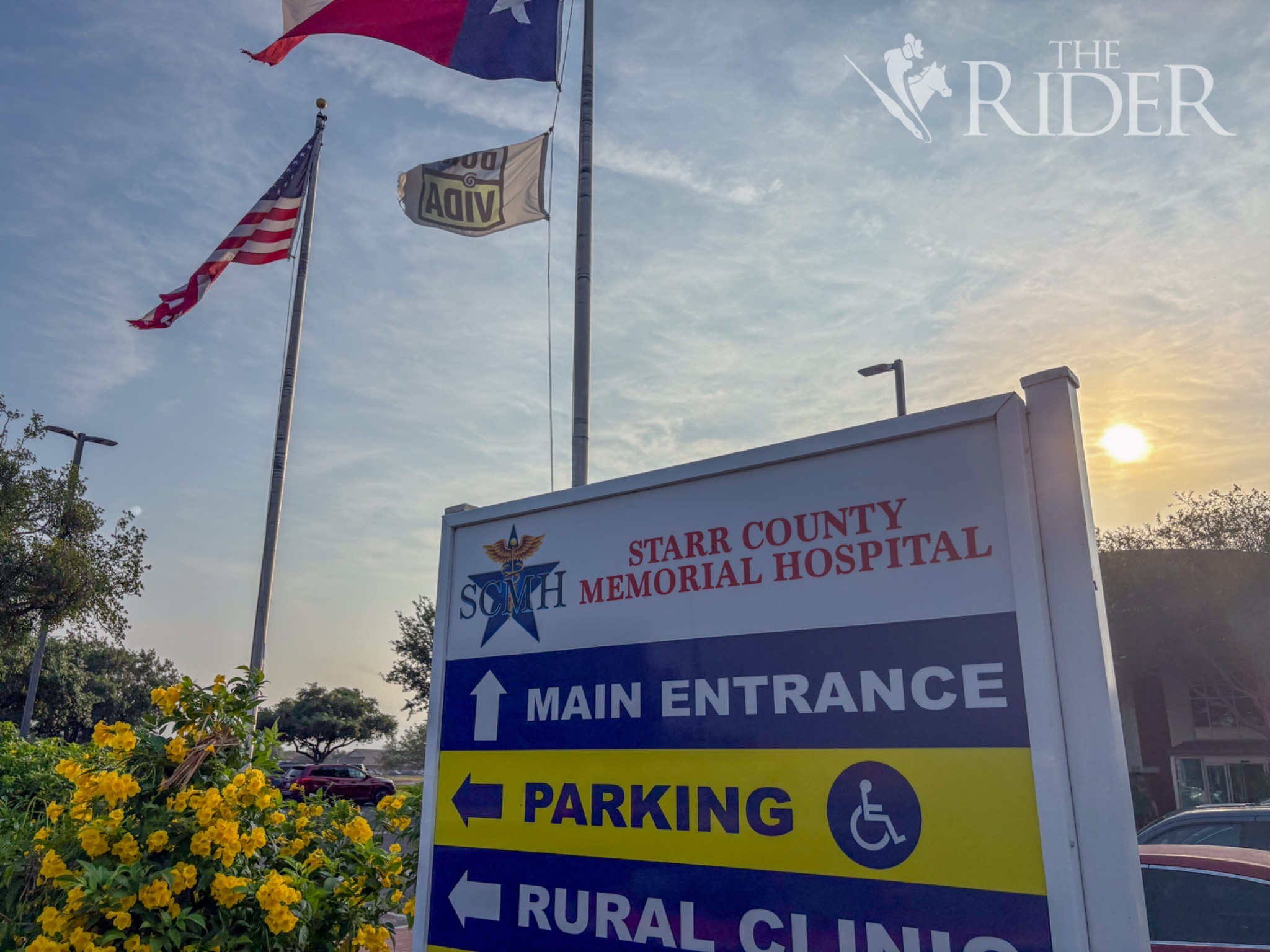
Mariah Escobar/THE RIDER
On Dec. 29, 2025, Gov. Greg Abbott announced a $1.4 billion federal investment to improve existing health care services in rural communities through the Rural Texas Strong initiative.
As part of the One Big Beautiful Bill Act, the program will allocate $50 billion nationwide to improve access to and quality health services, according to the Texas Health and Human Services website. During the five-year funding distribution from 2026-2030 fiscal years, the state of Texas will receive approximately $281.3 million annually.
According to a Texas Health and Human Services document, Texas will classify 202 out of 254 counties, around 80% of the state, as rural. The 202 counties have a population of 68,750 or fewer based on the 2020 U.S. Census, including Starr and Willacy counties.
Dr.LuBeth Perez, director of Community Health Partnership Programs and an assistant professor in the UTRGV School of Medicine, said the need for improved health-care access in the Rio Grande Valley is necessary.
“We have some of the highest rates of diabetes in the nation, along with high rates of obesity and non-traumatic limb amputations,” Perez said.
She said many residents face barriers beyond only medical conditions.
“A lot of individuals don’t have insurance or transportations, or they can’t take time off work to go to the clinic,” Perez said.
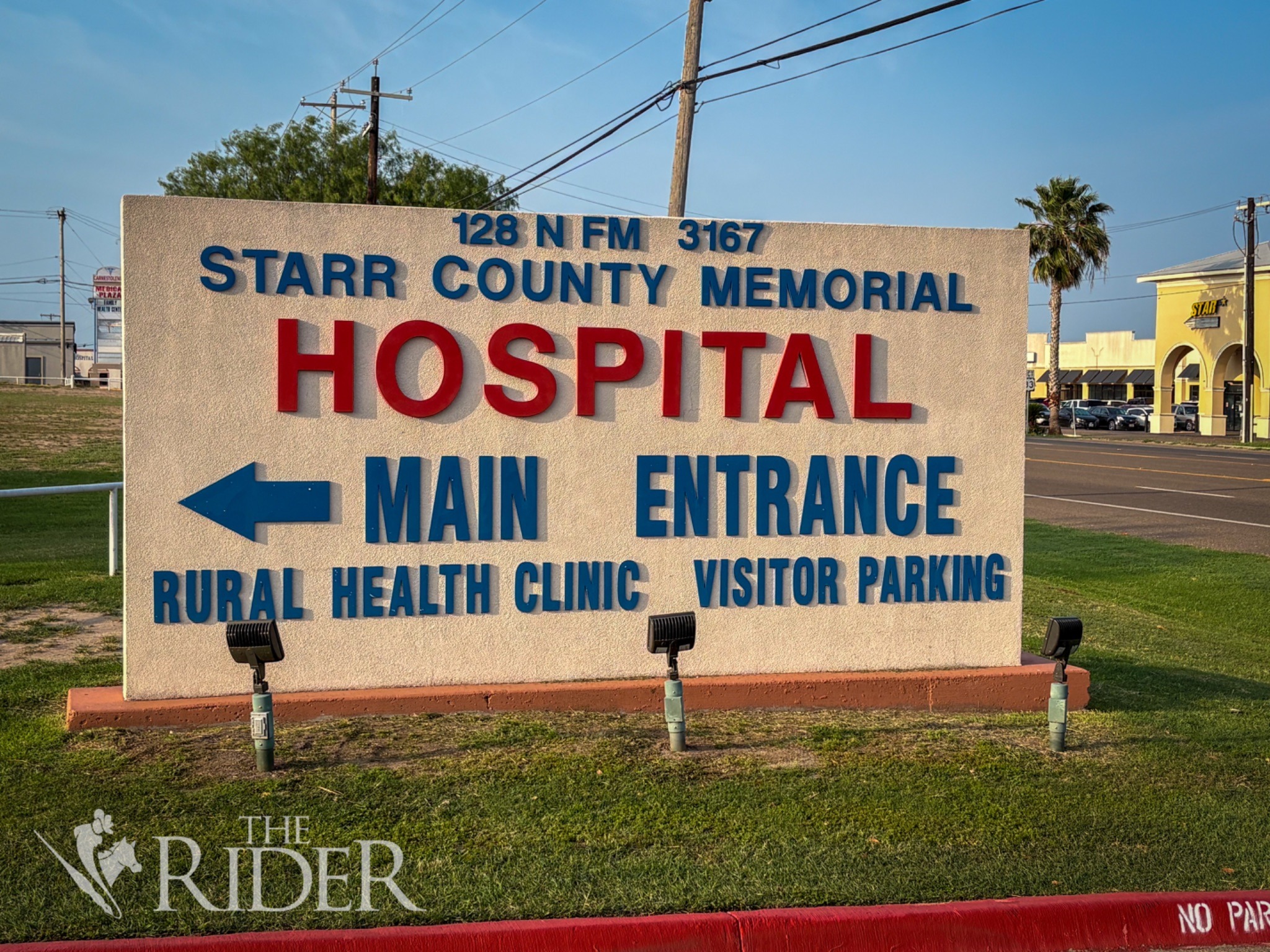
Mariah Escobar/THE RIDER
The assistant professor explained rural hospitals often operate under limited resources, making them more vulnerable to closures that further reduce access to care.
“This funding could add specialty services, preventative screenings and mental health services in rural areas,” Perez said.
While health experts focus on the need for improved access to care, Mark Kaswan, a political science professor at UTRGV, said the funding comes after significant federal reductions to Medicaid.
“It’s like taking $1,000 from you and giving you back $50,” Kaswan said.
He described the investment as potentially helpful, but it does not fully offset previous funding cuts that may have impacted health care systems, especially in rural areas.
The professor said the funds will be distributed by the state.
Perez added local resources are currently available to help address gaps in care.
“We have three [Area Health Education Center] clinics … one in Starr County, one in Hidalgo County and one in Cameron County,” she said.
Perez said the UT Health RGV AHEC Primary Care (La Victoria) in Starr County, located at 532 Gabriela St. in Rio Grande City, Texas, provides low-cost primary care services to the community, including those without insurance, helping expand access to care in rural areas.
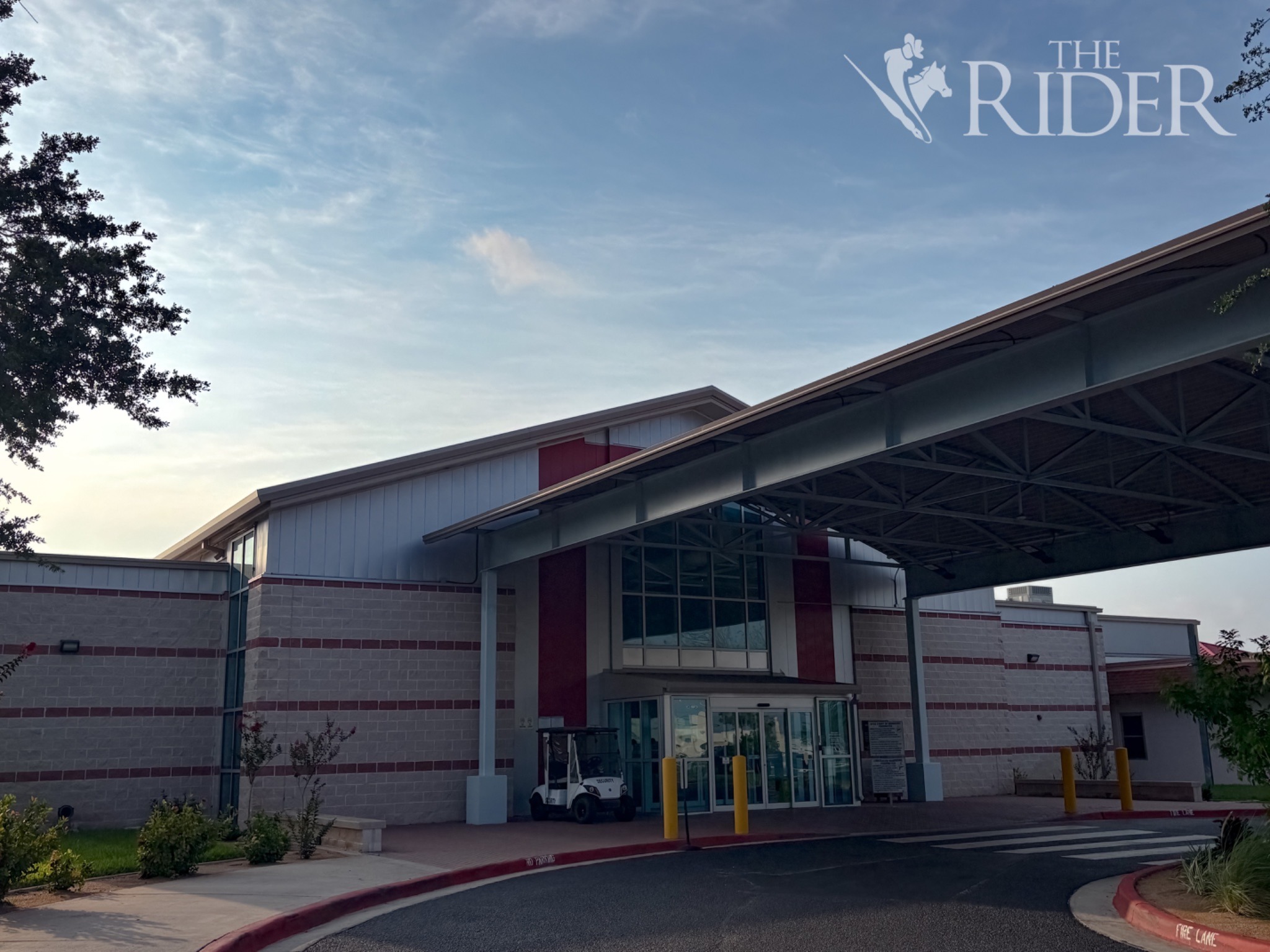
Mariah Escobar/THE RIDER