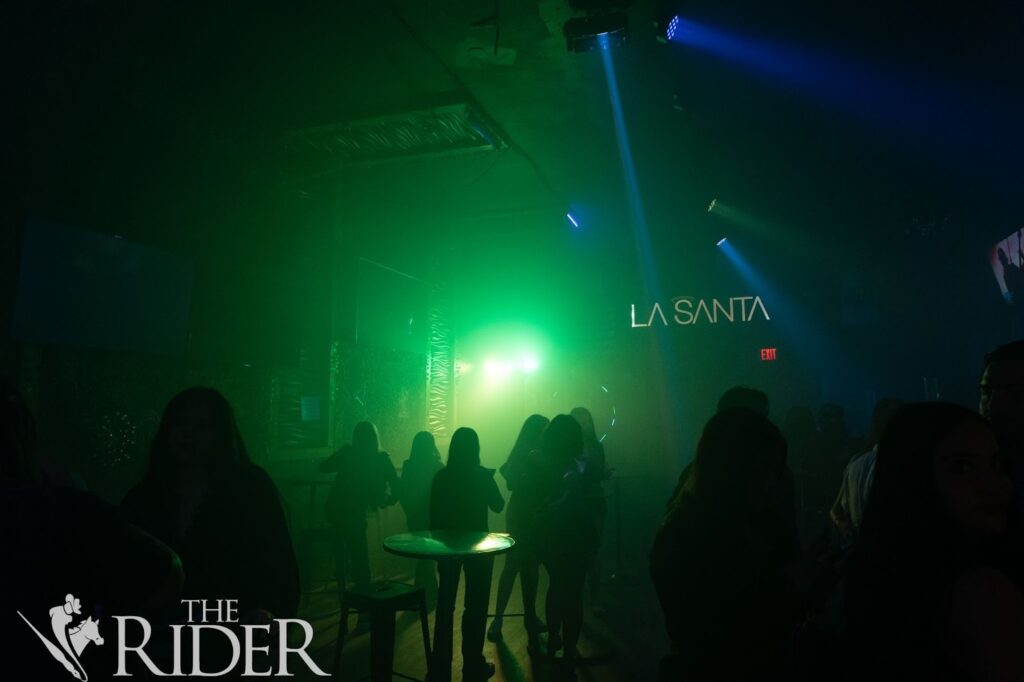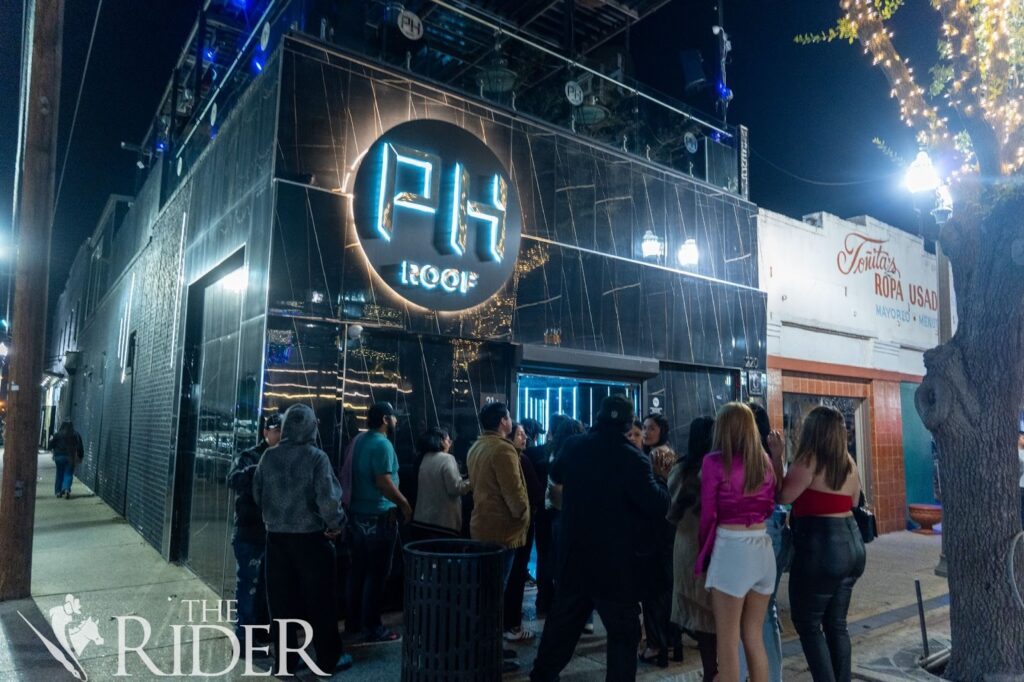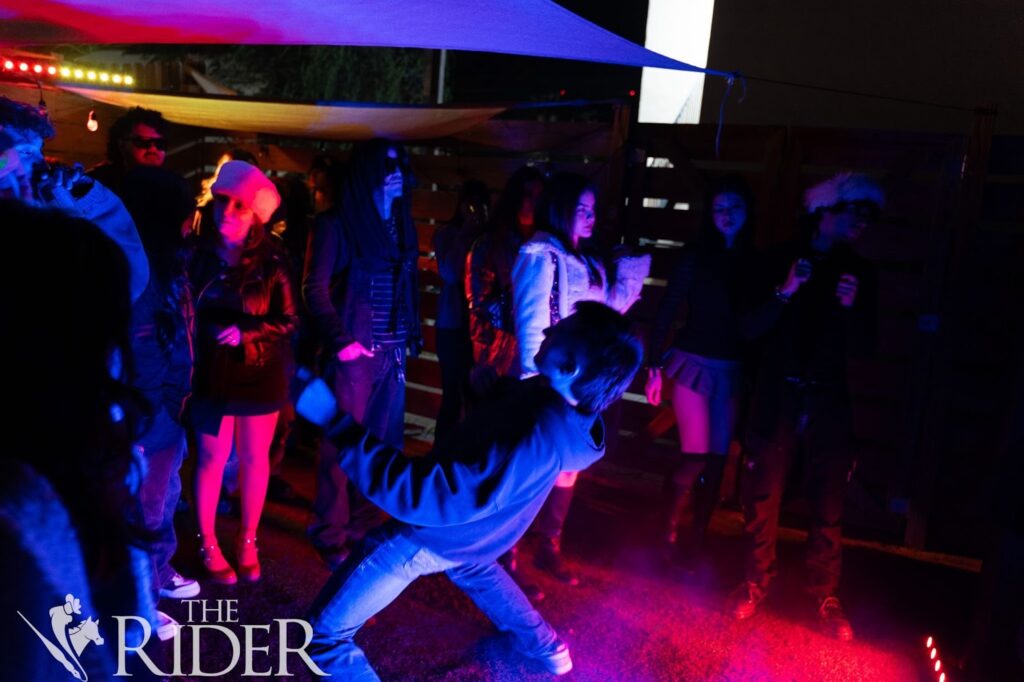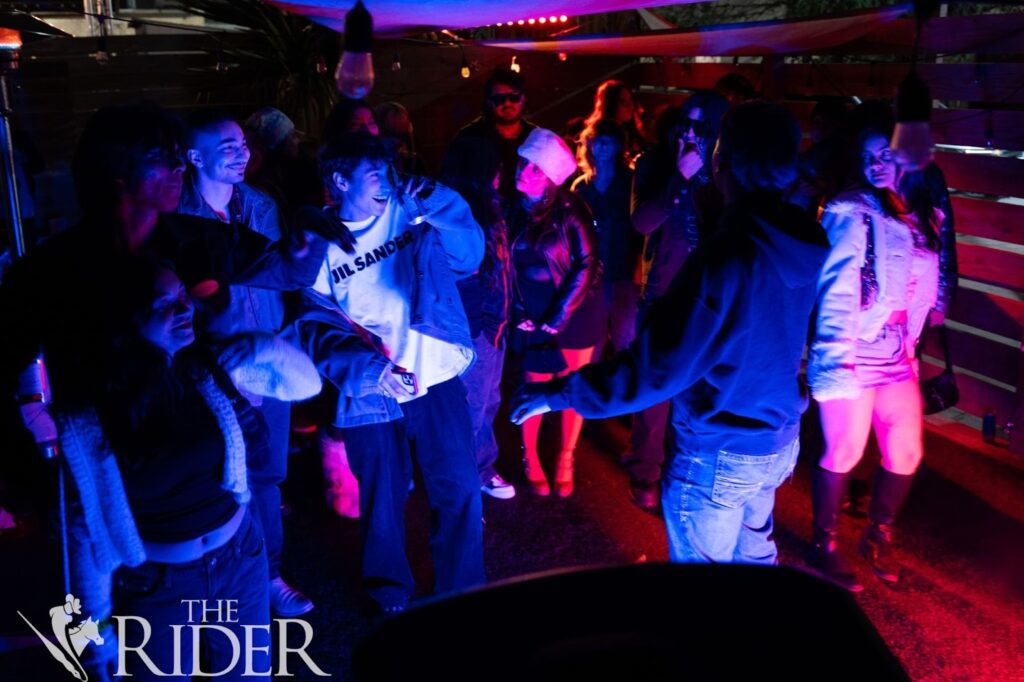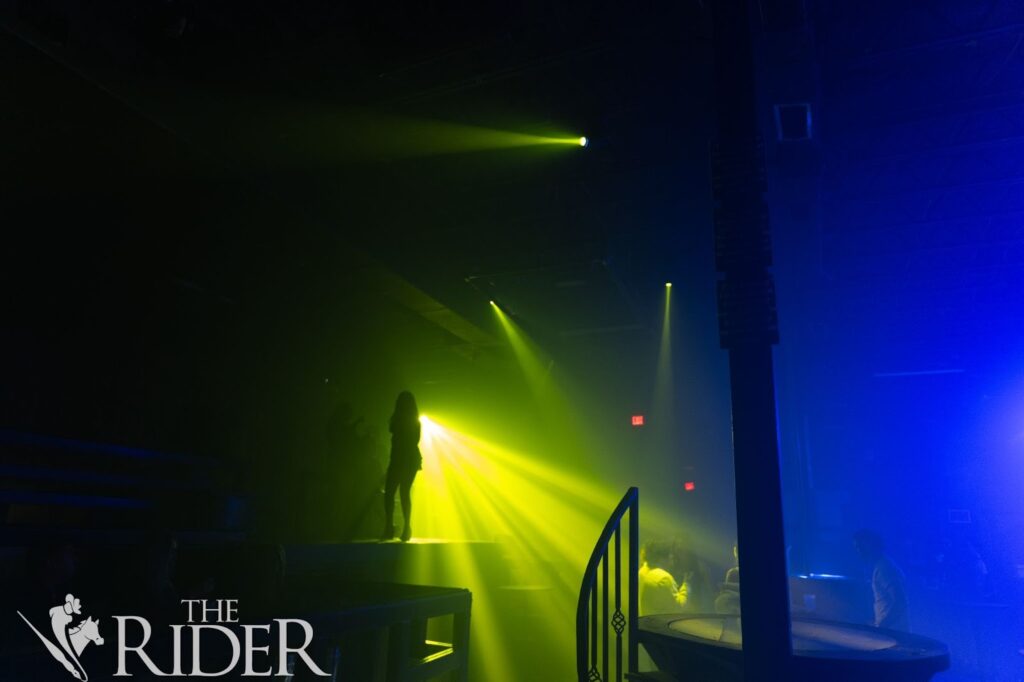
Jose Rodriguez/THE RIDER
A relic of the mid-aughts by Felix da Housecat offers a lyric that has aged with haunting precision: “pretty girls don’t dance, they just pose for techno.” Though the track belongs to a different era of clubland, its sentiment feels like a prophecy fulfilled.
In a recent report for the Wall Street Journal, Elias Leight suggested the modern partygoer has been paralyzed by the digital gaze. The fear of becoming an unwitting meme has turned the dance floor into a space of self-consciousness.
To see if the Rio Grande Valley’s ecosystem had also succumbed to the same fate, I headed to the 17th Street entertainment district in downtown McAllen.
For the uninitiated, 17th Street was the cultural nucleus of the 2000s, a neon-soaked strip that offered an equivalent to Austin’s Sixth Street.
Lately, however, the district has been under siege: A cocktail of legal battles and allegations of illicit activity has forced several into permanent retirement.
I am not a night owl; my usual Saturday night involves a book and a 10 p.m. curfew. My last memory of the strip, circa 2022, was one of kinetic energy, streets pulsating, rooms packed and a legitimate witness to the art of the groove.
But as I approached the block on Jan. 17, the scene felt decidedly more dystopian. Perhaps it was the 60-degree chill, but the crowds I remembered from the post-pandemic boom seemed to have minimized.
Joined by photographer Jose Rodriguez, I began a safari through the local nightlife to find the rare species of the uninhibited dancer.
We started at 11 p.m. at The Gremlin, an alternative outpost for those who exist comfortably outside the cultural margins.
DJ Knox was spinning a sick set in the back patio, the crowd was packed with the density of a sardine tin.
Yet, the physical constraints seemed to inspire movement rather than stifle it. Patrons swayed, bounced and one man even performed a “Matrix”-style lean.
I wondered if this, a rhythmic jiving in place, is the definitive dance style of 2026. The Charleston and the Hustle are long-buried artifacts, the Cabbage Patch a ghost.
In their place is a subtle head-bob, a calculated movement designed to signal “cool” to anyone who might be filming. It made the “Matrix” guy’s commitment to the bit feel almost radical.

Jose Rodriguez/THE RIDER
We moved on to Mansion Discotheque.
The architecture here promised movement: a vast lounge with circular bar tables equipped with floor-to-ceiling poles, seemingly waiting for a Cardi B “Money” music video moment.
I watched a few women brave the floor while the men sat in a meditative state.
Genesis, a waitress carrying a tray of shots, approached me. When I asked why the men seemed more interested in texting than moving, she offered a simple diagnosis, “Because they’re not drunk enough!”
It was a sobering thought. If dancing requires the chemical erasure of self-consciousness, perhaps the fear of the “viral meme” is indeed winning.
At Penthouse, we met promoter Billy Gonzalez, a veteran of the downtown scene.
Gonzalez remains a believer in the spirit of the dance, but he blames the floor plan.
“Too many VIP tables,” he said, “not enough stage.”
As we walked, we peered through the windows of several vacant establishments, catching the ephemeral whispers of a time when these spaces were alive.
Our final stop was a local gay club, Pecado Night Club. In the history of nightlife, the queer community has always been the keeper of the dance flame but, at midnight, the flame was sparse.
We met Loli, short for “Lollipop,” a drag queen and the evening’s master of ceremonies.
“Dancing is not the way it used to be,” Loli said. Unprompted, she echoed the WSJ almost verbatim, “People are afraid that someone is going to pull out their phone and record or livestream. It used to be free back when there were no phones.”
I didn’t find a definitive answer to what “dancing” looks like in 2026. I did not find the unbashful, world-is-ending revelry I was looking for. But in the quiet corners of 17th Street, I found a colorful cast of characters keeping the heart of the city pulsating, one head-bob at a time.