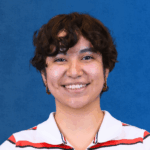
PHOTO COURTESY APRIL BURNER
UTRGV’s long-anticipated Doctorate of Physical Therapy program is officially underway in Harlingen, marking a milestone in expanding access to health care education in the Rio Grande Valley, according to its department chair.
The program welcomed its first cohort of 20 students in June and has already doubled its class size to 40 for the next cycle. Mark Lester, department chair and program director, said the program’s launch fulfills a decades-long goal to bring physical-therapy education to the region.
“When our dean first started here 20 years ago, there was already talk about developing a PT program,” Lester said. “For one reason or another, it kept getting pushed to the side. [When UTRGV was established], it became really noticeable that it was a priority to put a PT program in place.”
After gaining approval from the Texas Higher Education Coordinating Board in 2020, the program officially began its journey toward accreditation in 2023 when Lester was hired as program director. UTRGV’s DPT program is currently in its candidacy phase, with full accreditation expected by 2028, around the same time its first class is set to graduate.
“That’s the biggest hurdle,” said Jason Denton, clinical assistant professor. “Once this cohort finishes and takes their board exams, [that will] be the final approval for accreditation.”
According to the department chair, the program’s mission is to be “regionally focused but nationally competitive.” That means preparing students to pass the national licensure exam while also equipping them to meet the Valley’s unique health care needs.
Lester said one of the program’s defining features is its emphasis on community-centered care, including coursework on chronic-disease prevention and management for conditions such as diabetes, stroke and heart diseases prevalent in South Texas.
One important aspect to their teaching method is a focus on the artistry of delivering care. According to Denton, students participate in community partnerships in order to gain more real-world experience and how to best engage with the community.
Another standout component is medical Spanish instruction, which helps future physical therapists better serve the Valley’s largely Spanish-speaking population.
“For our students who graduate and become practitioners here in the Valley, a high volume of the patients that come through their door are going to be primary Spanish speakers,” Lester said. “We want to make sure they’re prepared to treat them with the highest level of care.”
The DPT program is housed in a newly acquired 57,000-square-foot facility, located at 2222 S. 77 Sunshine Strip in Harlingen, which the university purchased earlier this year. The renovated space will include two large teaching labs, both wet and dry anatomy labs, and a state-of-the-art physical therapy and occupational therapy clinic where students will gain real-world experience treating patients under faculty supervision.
The facility will also feature advanced technology such as Anatomage tables, which are digital, life-sized cadavers that allow students to explore human anatomy in detail.
“Our students will be able to see real cadavers in our wet lab and also study digital ones through these interactive tables,” Lester said. “It’s a remarkable learning tool.”
He said the program has already received an enthusiastic response from applicants. Despite being new, UTRGV’s DPT program has seen strong interest, with more than 100 students interviewing for 40 available seats this year.
“The next closest program is in San Antonio, and that’s a big shift for students,” Lester said. “In this day and age where the cost of education keeps going up, it can be really challenging for [students]. For us to be able to offer a quality program close to home and have the ability to provide a resource for students in the area where they don’t have to accumulate additional debt, that’s part of the win.”
Looking toward the future, he said he hopes to expand the program to include residencies, fellowships and continuing education opportunities for Valley clinicians.
“To be a part of something where we can improve access to care to folks in the Rio Grande Valley, where we can improve and help to standardize quality of care within the Valley, it’s huge,” Lester said. “In some small way, we’re contributing to that ability to hopefully reverse some of the chronic conditions that are at epidemic proportions here and really improve people’s quality of life through doing so.”