

Valeria Tokun Haga/THE RIDER
The Environmental Awareness Club has taken the initiative to maintain the Brownsville Pollinator Cantina, preserving native plant populations for pollinators on campus and promoting biodiversity with their Brownsville Weeding Days.
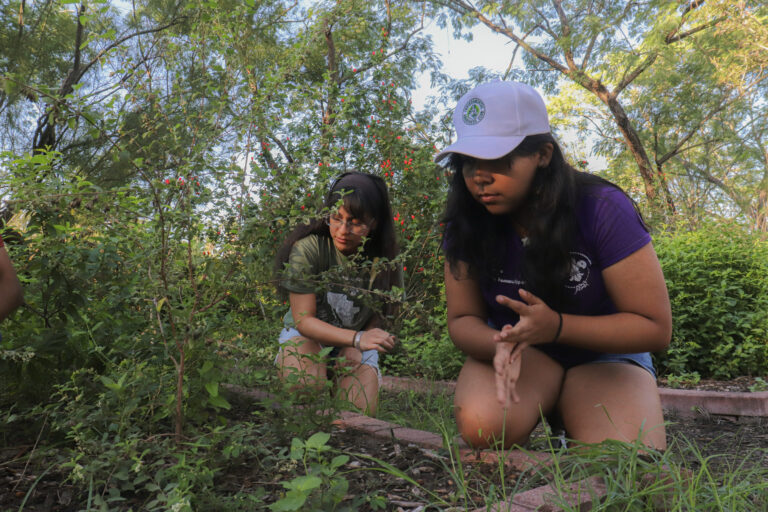
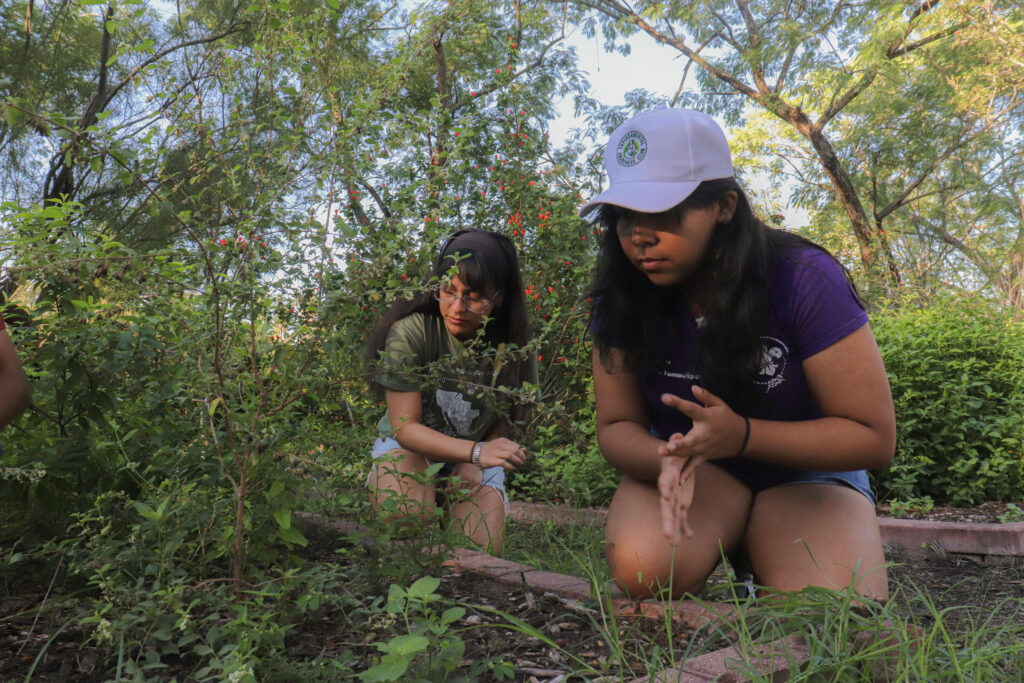
From 8 to 10 a.m. Thursday, the Environmental Awareness Club worked outdoors to remove weeds from the Pollinator Cantina located between the Life & Health Science Building and the resaca on Brownsville campus.
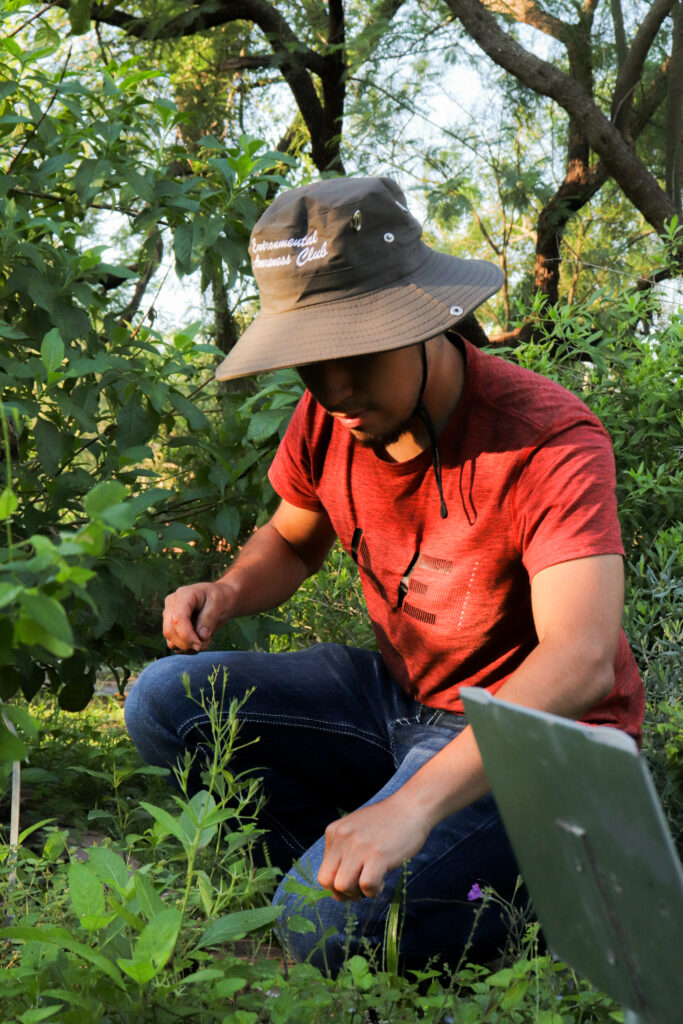
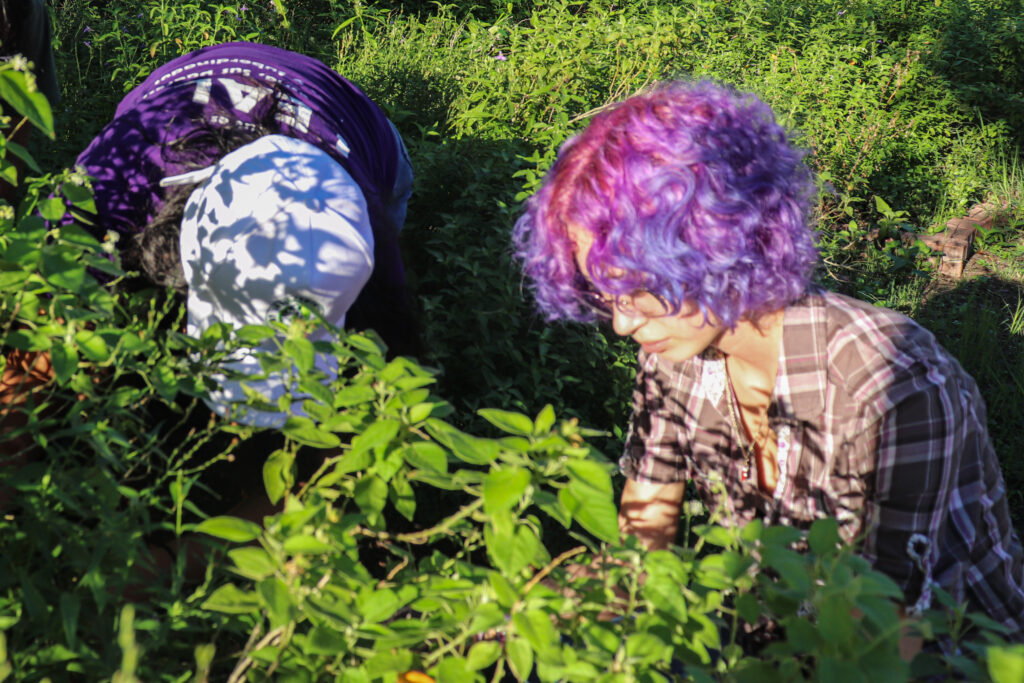
EAC officers and volunteers removed weeds and other invasive species from the garden to prevent them from competing with native plants.
According to Sofia Martinez, an environmental science senior and president of the EAC, weeding not only helps remove invasive species from competing with native plants, but it helps keep plants in their designated zones for students to be able to identify them easily.
Valeria Tokun Haga/THE RIDER
In an interview before the Brownsville Weeding Days, Sofia Martinez said the Pollinator Cantina was made in 2018 to introduce a native habitat on the Brownsville campus.
Professors in the science department established the Pollinator Cantina, according to Valeria Martinez, an ocean, coastal, and earth sciences program graduate student and the Brownsville coordinator of EAC.
“They established this garden to promote native plant populations that can help pollinators, birds and other animals,” Valeria Martinez said.
Sofia Martinez added associate professor Alejandro Fierro at the School of Earth, Environmental, and Marine Sciences, reached out to the EAC to take care of the Pollinator Cantina because no one was maintaining it at the time.
Shannon Hernandez, a political science junior and recruitment officer for the EAC, explained the importance of maintaining the garden is for native plants to keep thriving in the Pollinator Garden.
“Making sure weeds don’t take over the garden, [and] letting pollinator species thrive in the garden,” Hernandez said.
Valeria Tokun Haga/THE RIDER
Valeria Martinez added because of deforestation and urbanization in the valley, it’s especially important to use native plant species wherever possible.
“The one thing that you should know about is the environment around you. … In your region, you should know what plants [and animals] are in your area,” Sofia Martinez said. “The one thing that we can provide and that the Pollinator [Cantina] can provide is that knowledge of taking care of what’s around you and being able to increase biodiversity in your area.”
Similarly, according to Sofia Martinez, the Pollinator Cantina has been used for research purposes in the past and has multiple uses, but overall, it is good to have a space for native plants and animals to interact in.
Sofia Martinez said Brownsville Weeding Days event will happen every Thursday when possible, and anyone interested in helping maintain the Pollinator cantina can volunteer without being a club member.