The RGV’s experimental film scene
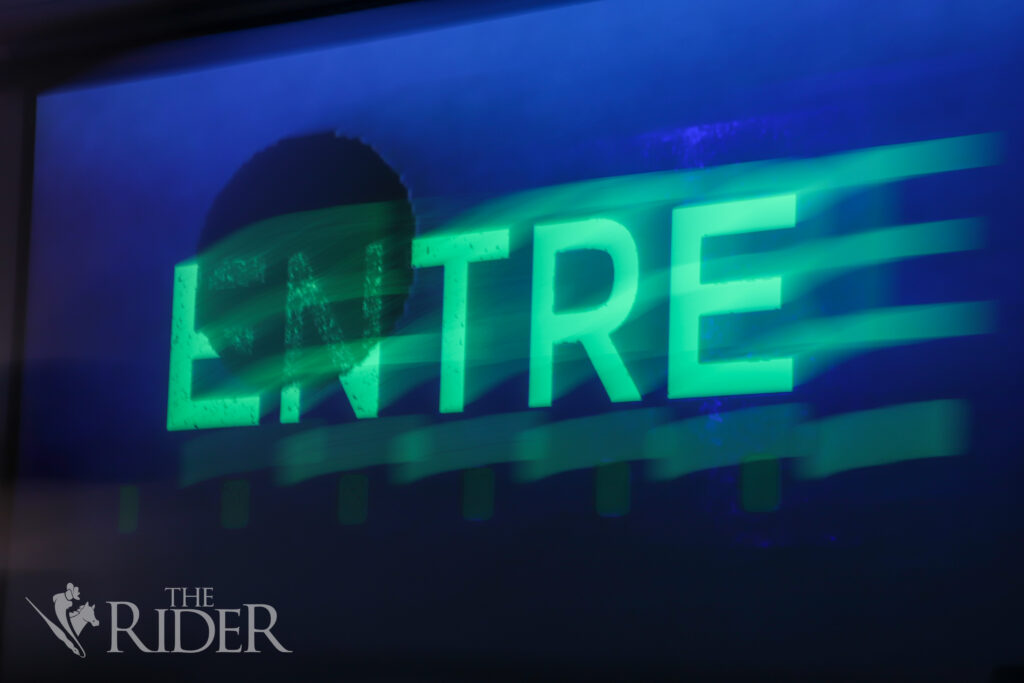
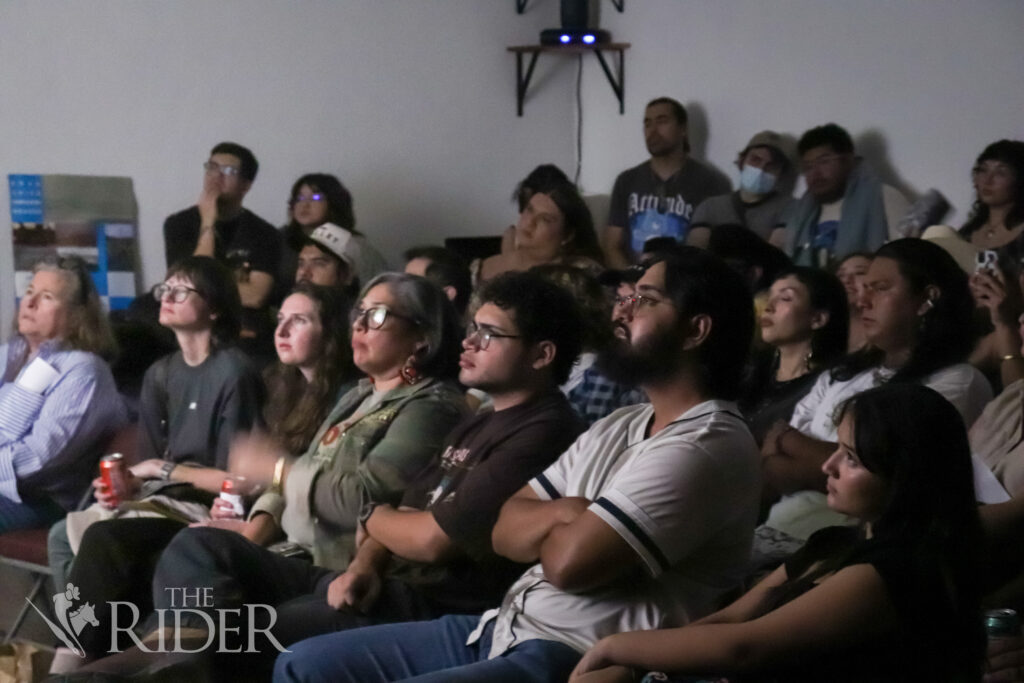
The focus was sharp at ENTRE Film Center, where even the standing room section was brimming with inquisitive eyes locked onto the screen, carefully deciphering the metaphors and symbolism in each film.
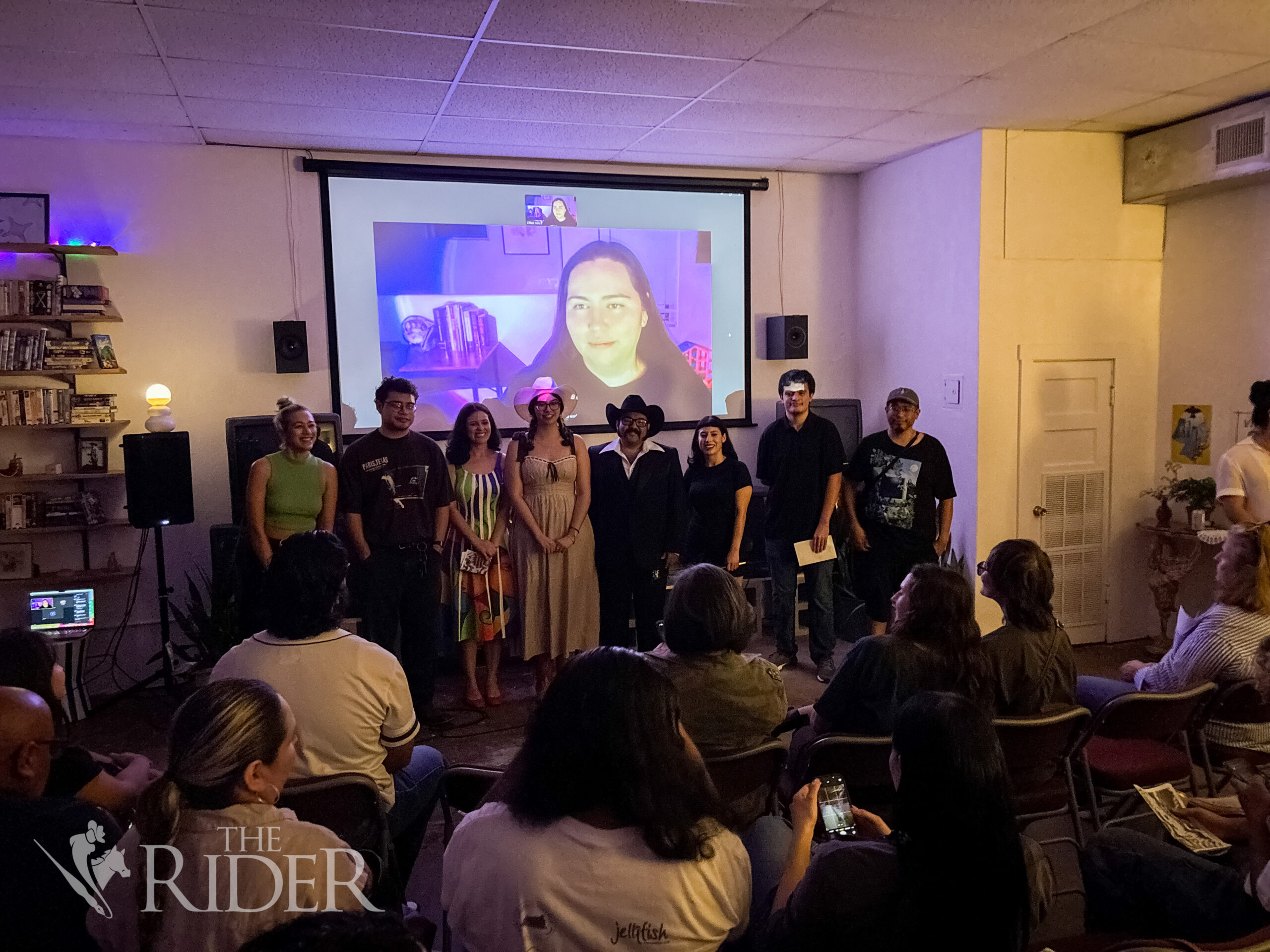
Cine Futuros, an experimental short-film showcase, captivated audiences on Aug. 23, at ENTRE Film Center in Harlingen. The event was in collaboration with UTRGV’s Graduate Creative Writing Program.
The showcase consisted of 10 experimental short-films by regional filmmakers, artists and poets.
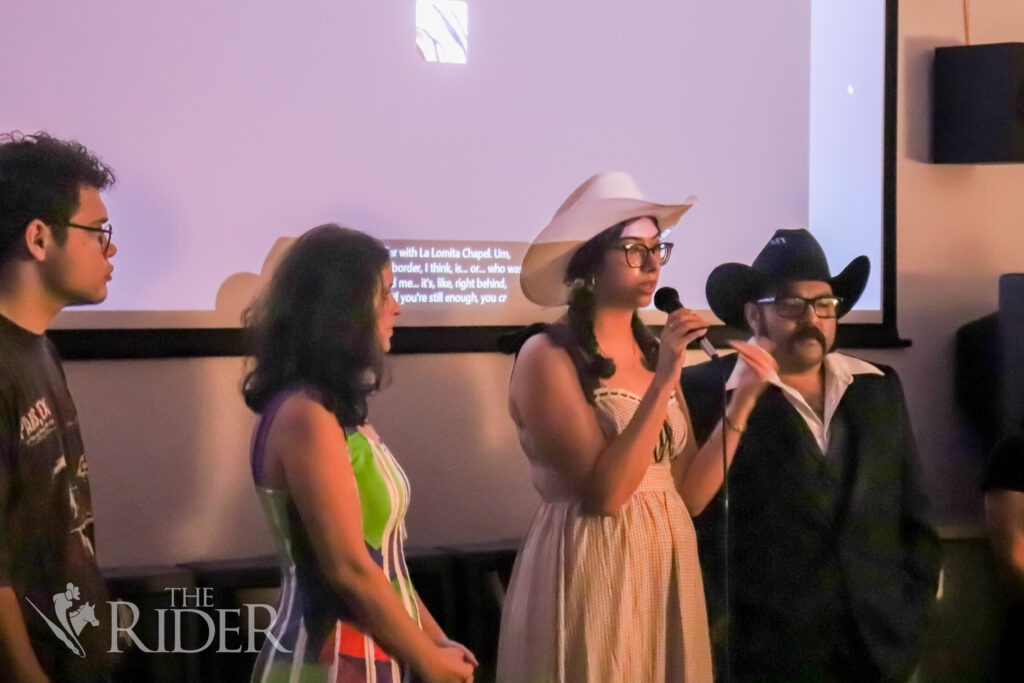
Kristin Montez, a UTRGV graduate student in the Creative Writing Program, organized the showcase with a simple yet complex goal, to reclaim and subvert border narratives, challenging how the region is often misrepresented.
To me, what was truly disruptive was presenting film in a format that is alien to most audiences in the Rio Grande Valley.
This style, which is unfamiliar to those outside the experimental film genre, gave viewers room to breathe and wander into fantasies that felt both new and familiar.
C. Diaz, ENTRE co-founder and worker-owner, said during an interview after the showcase, experimental films allow creators to break free from traditional narrative structures, improvise and pair stories with different visuals in ways that push boundaries.
Jose Rodriguez/THE RIDER
The beauty of this genre is its ability to go beyond ordinary storytelling.
Many of the films’ use of poetry, both original and found, created a unique visual and auditory experience.
Freed from the constraints of traditional dialogue, the viewer’s mind worked in a natural rhythm to connect images and words.
This active engagement was a powerful catalyst, mirroring how we intuitively interpret conversations, process the news and even understand nonverbal cues in our daily lives.
Whether intentional or coincidental, a common thread throughout the various points of view in the films was the concept of space.
The film “Native Plants of the RGV Haikus,” by the RGV Women Poet Society was a poetic encyclopedia of the flora synonyms to us 956’ers, in this space we grow and nurture our culture.
Director Chloe Vela’s film, “Two Stories from the Border,” explored the land one must leave behind to seek a space of hope, where dreams are permitted and the crushing cruelty of having those dreams torn away.
Filmmaker Chava Ramirez surveyed the cerebral space we occupy with constructed memories in “Transmission,” asking the provocative question of who owns the rights to a collective experience.
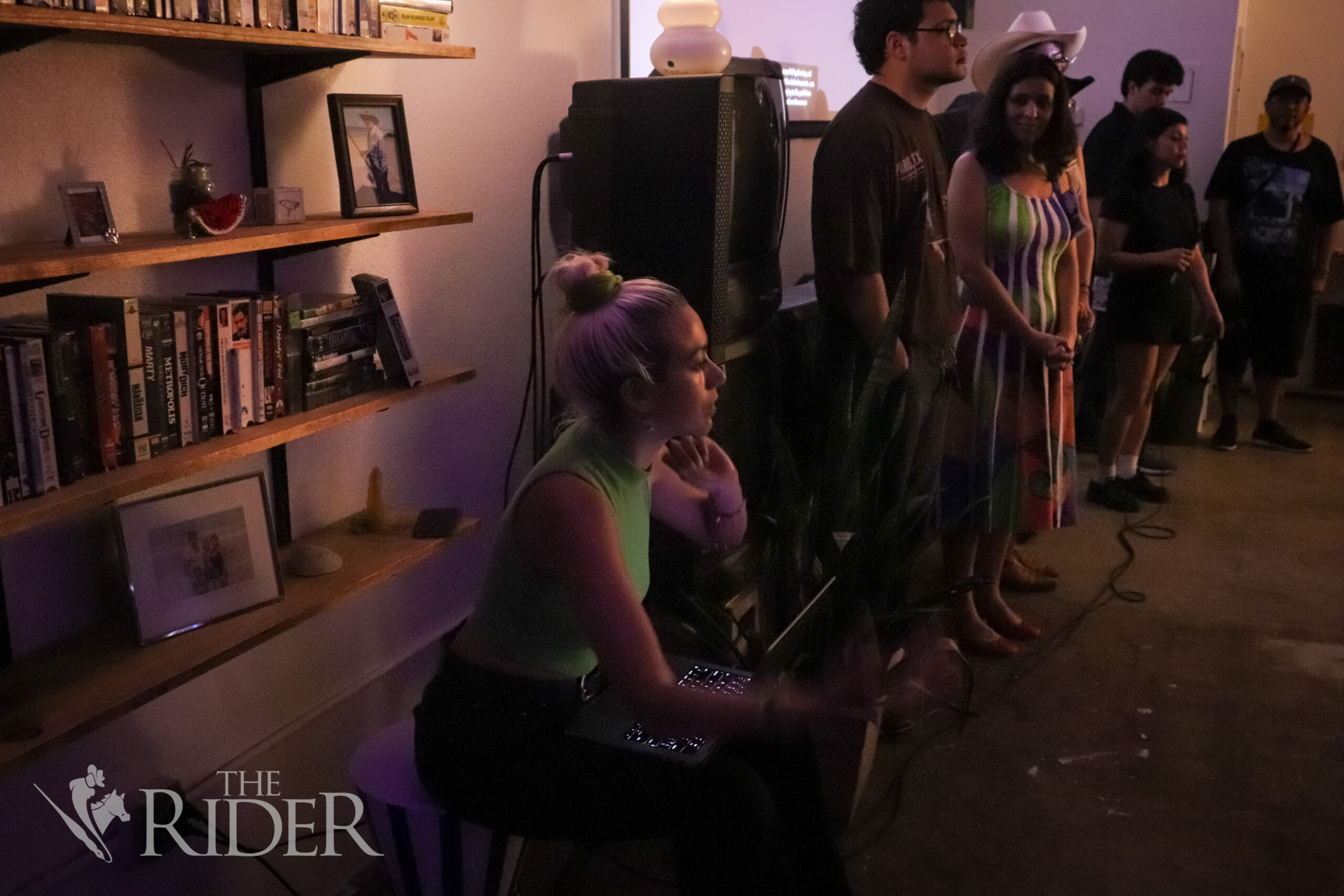
Jose Rodriguez/THE RIDER
Ancestral lands were also beautifully visited through the sublime visuals in “Viviendo En Huecos,” a collaborative film, and “Un Abrazo Del Otro Lado,” directed by Omar A. Casas Jr. and Laura Daniela Martinez.
These films shone a light on cultural spaces that have been politicized and terrorized, their history a struggle against assimilation. Still, they powerfully conveyed a profound yearning to intertwine with the ancestral past.
Then there’s the space that echoes the folklore of historical atrocities, which have otherwise been whitewashed from history. Director Adolfo Sandoval Jr. powerfully portrayed this in “Corrido,” a visual companion to the poem “ El Corrido de Gregorio Cortez,” by Américo Paredes.
Even we, as an audience, created a space by congregating in this unique setting to witness the interconnected stories of our own regional experiences.
As I left, I found myself quietly wondering: how do we carry this authority and visibility into places unfamiliar to us, where our culture is not as easily recognized?
I guess all we can do is continue exploring and experimenting.
To learn more about ENTRE , visit www.entrefilmcenter.org.