

THE RIDER FILE PHOTO
A new $100,000 fee on H-1B visa petitions is likely to push employers to be more selective about whom they sponsor, according to a UTRGV assistant professor.
The rule, which took effect Sept. 21, applies to new H-1B petitions and is part of a broader federal effort to prioritize U.S. workers. Employers who wish to sponsor foreign employees for specialized roles must now account for the higher application fee in addition to existing legal and filing costs, according to a White House proclamation.
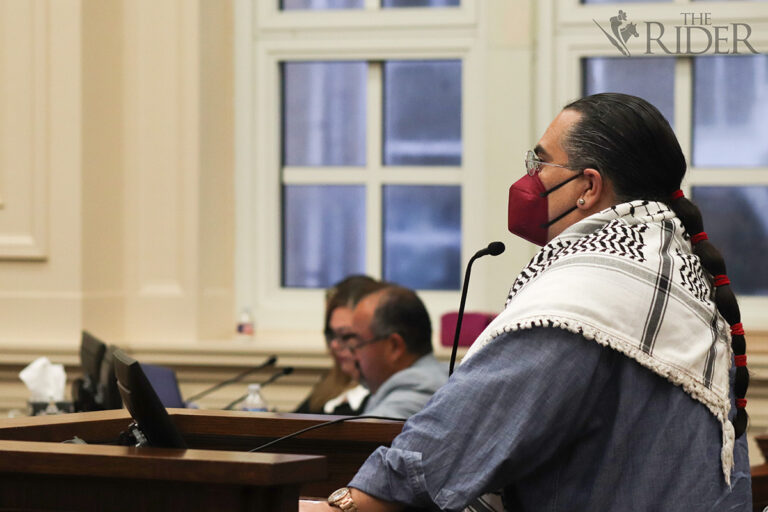
“Many companies will make a calculation and decide that unless somebody is really, really talented and their value is much higher than the $100,000 plus compensation, they’re just not going to hire anymore,” said Armando Lopez-Velasco, assistant professor for the Department of Economics at UTRGV.
He explained basic economic principles suggest the policy will lead to fewer applications overall.
“As in the market for anything, if the price of any good goes up, the quantity demanded goes down,” Lopez-Velasco said. “This increases the price dramatically, so we can expect less sponsorships. Some sectors will be much more affected than others.”
The H-1B visa program allows U.S. employers to hire foreign workers in specialized fields such as technology, engineering and higher education. According to federal guidance, the new fee will apply to employers filing initial petitions for new workers.
Lopez-Velasco said the ripple effects could be wide-reaching, as companies that once relied on foreign talent may rethink their hiring strategies.
“High-skill immigration is correlated with patents, business creation and new companies,” he said. “If we lose top talent to other countries, we might end up with some undesirable effects both on the fiscal side and by losing potential job creators.”
The White House said the policy is part of a strategy to expand opportunities for American workers, according to a Sept. 19 White House proclamation.
Lopez-Velasco said while that may be the intention, the outcome may not align with those goals.
“The intention from the administration seems to be to give more opportunities to natives,” he said. “But sometimes the intention and the final outcome are not the same. If you restrict this too much, these new firms might not materialize.”
U.S. Citizenship and Immigration Services and the White House have both released guidance on the change, encouraging employers to review their petition plans ahead of upcoming application cycles.