
Ask the Expert: Fourth in a Series
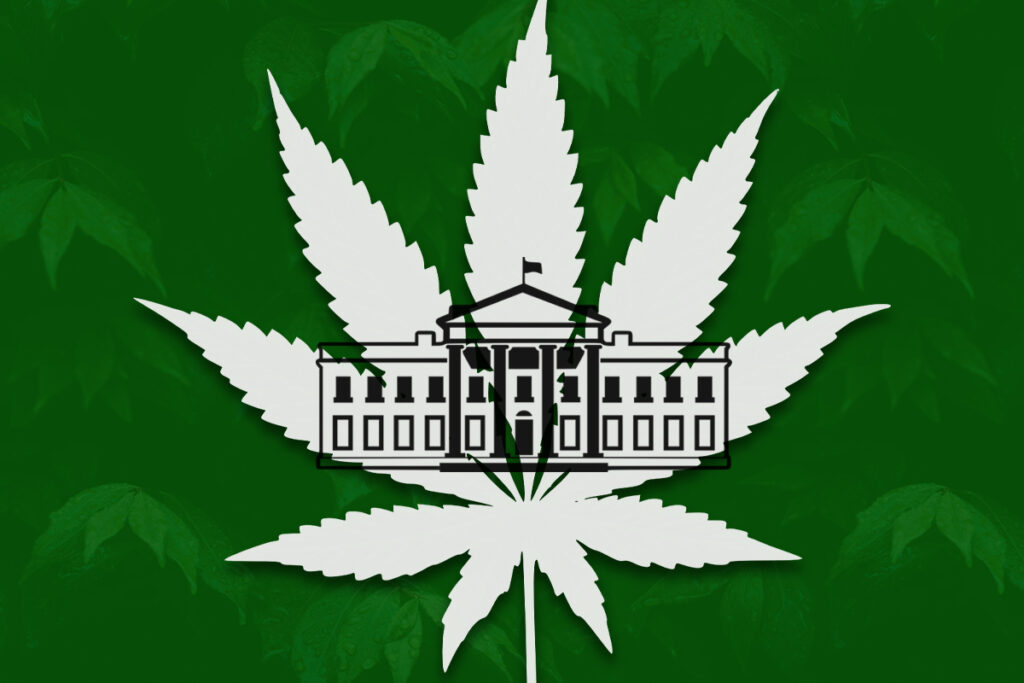
Last October, President Joe Biden announced a pardon for those guilty of simple possession of marijuana. This seems straightforward, but there are important details in the periphery. What is a federal pardon? How much power does it have? Who supports this action?
To shed light on this subject, The Rider asked two lecturers from the Political Science department to provide insight—Andrew Smith and Robert Velez.
“Under the U.S. Constitution, the executive, the president, is the one solely in charge of pardons so long as the person has not been impeached and [the person seeking a pardon] has only been convicted or been charged with a federal-level crime,” Smith said.
He said most marijuana convictions occur at the state level. As a result, most people will not be affected by it. This pardoning is more of a symbol of where politics is heading.
“Public opinion is what is on the topic of marijuana,” Velez said. “Most Americans, more than two-thirds, say it shouldn’t be illegal. … This is a winner at the ballot box. It’s already legal in medical or recreational aspects in more than half the states. This is not controversial. The only controversial part is because nobody expected [Biden] to do it.”
This is because Biden isn’t an activist type of president. However, these blanket pardons are not unheard of.
Smith said Jimmy Carter issued pardons for those who were convicted of resisting the Vietnam War draft, and all of Barack Obama’s pardons were done en masse.
It isn’t unusual. Also, both Obama and Trump commuted sentences.
“I think most Democrats agree that marijuana should be legalized,” Velez said. “And I don’t see any vocal Democrats telling Biden he shouldn’t do this.”
He also said while some Republicans might criticize this pardon, there is not much political pushback. Their interests lie elsewhere.
Asked if Biden’s action is important, Velez replied, “Yes. The American people have been calling for legalization on public opinion surveys for many years now. It’s popular. It’s bipartisan. Republicans and Democrats alike are supportive of legalization. If it’s regulated, like alcohol or tobacco, there are quality controls that states can put on it.”
James Kinde, a graduate student in disaster studies, said Biden’s pardons are “great.”
“I think it’d be great if governors on the state level took his lead on it,” Kinde said.
Ayssa Arevalo, a chemistry postgraduate student, said it should be legal “for medical reasons.”
“But, just for recreational use, I don’t really see a really big reason to why it should be legal,” Arevalo said.
About The Author