Adrian Hernandez|The Rider
Immigration and Customs Enforcement may soon implement the use of electric shock gloves as they plan to spend up to $20 million on Generated Low Output Voltage Emitters known as G.L.O.V.E.s, according to the website of the Department of Homeland Security.
The gloves will be issued to Homeland Security and Enforcement Removal Operations officers and agents.
According to Alvaro Corral, assistant professor of the School of Political Science, Public Affairs, Legal and Security Studies, the gloves are expected to be out in the field by March 2027.
“We could probably expect operations that result in detentions and deportations in the Rio Grande Valley to include the use of these electric shock gloves to detain individuals,” Corral said.
He said the possibility of the devices being used during immigration enforcement operations may cause concern among the community.
“People are probably right to be fearful of potentially being shocked by federal agents with electricity,” Corral said.
Gina Palacios, associate professor and director of the Center of Borderland said devices that give officers additional power can raise concerns about how the power may be used.
“Tools like this can be easily abused,” Palacios said. “They have a lot of power and I think it’s easy for the person who’s wearing it to abuse the use of them without even knowing they’re doing it.”
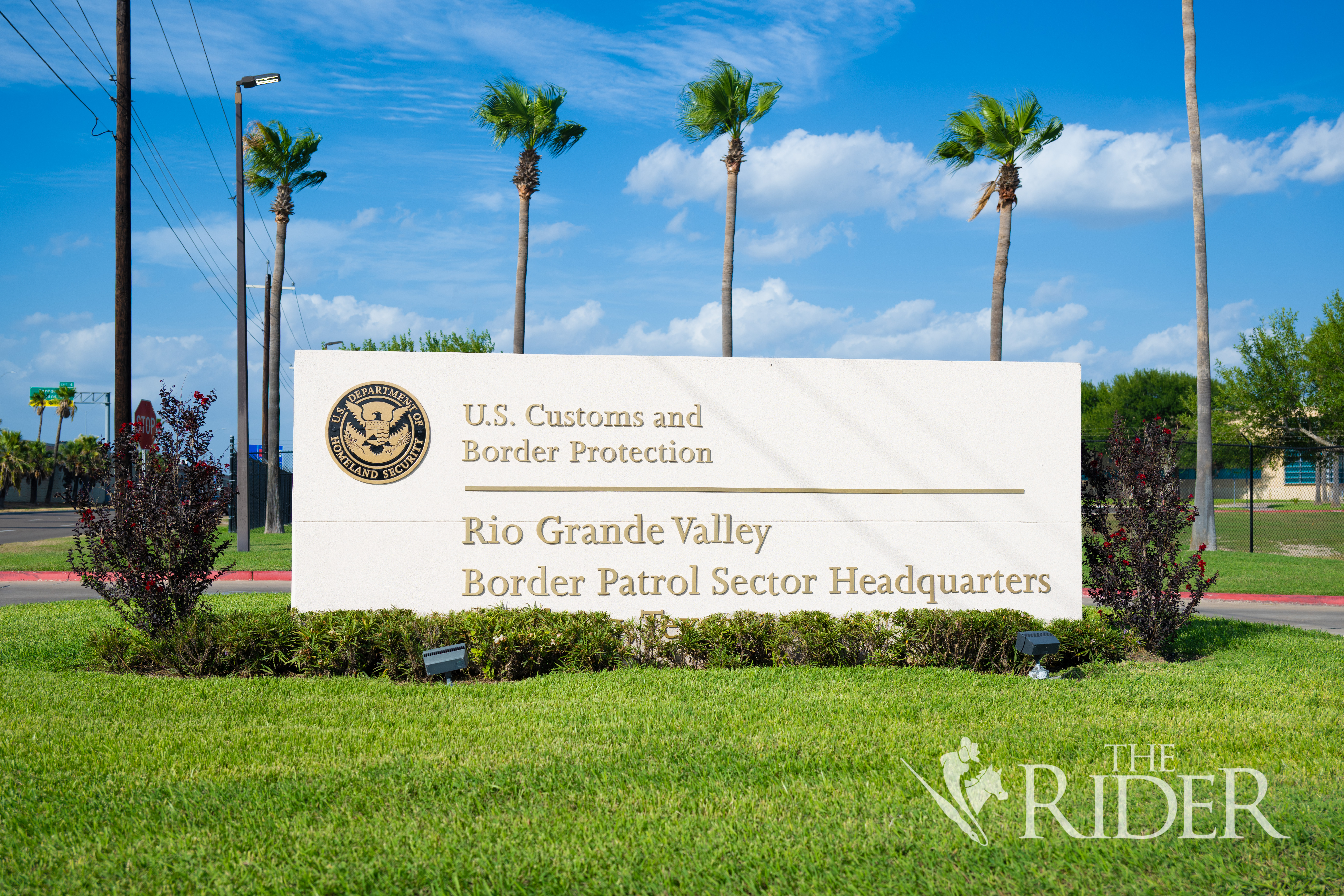
She said changes in immigration enforcement have a greater impact in the Rio Grande Valley because of the region’s proximity and connection to the U.S.-Mexico border.
“The RGV isn’t just a place where immigration and enforcement happens,” Palacios said. “ICE and Border Patrol is just part of our lives here.”
She said that families and communities that cross or have relations to the border feel the weight of the changes heavily whether it directly affects them or not.
Adrian Hernandez/THE RIDER
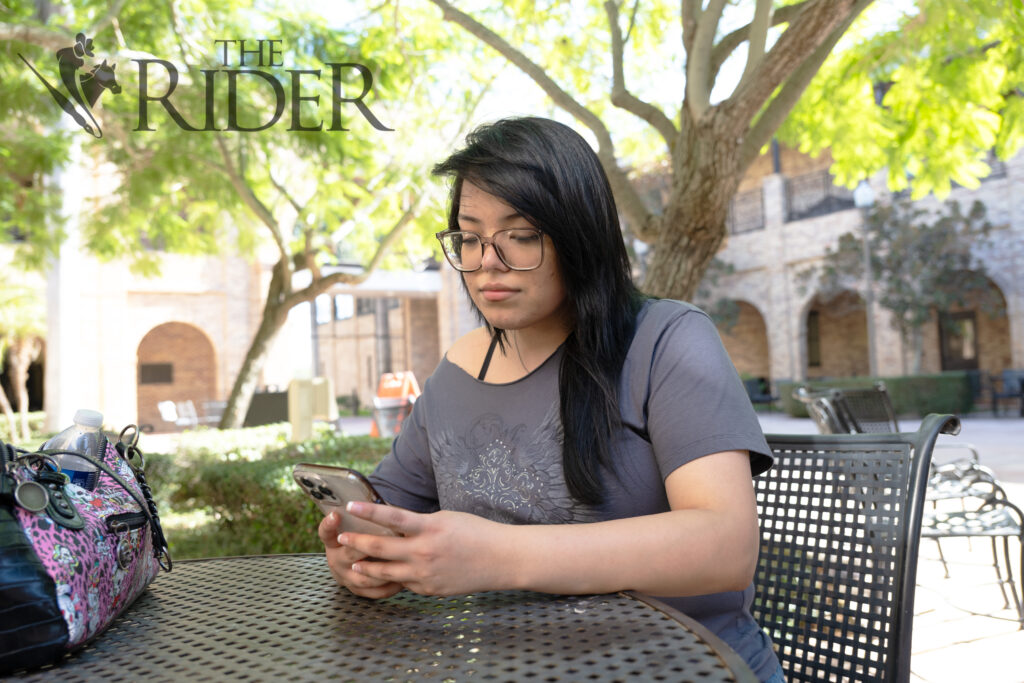
Marlene Ruiz, a mathematics freshman, said she did not know about ICE planning to give their officers electric shock gloves.
“In the Valley, there’s a lot of immigrant families here and a lot of students who come from immigrant families … we get racially profiled a lot,” Ruiz said.
She added because of racial profiling, members of the community could face a higher risk of being harmed during encounters with ICE agents.
Ruiz said students should always be on their toes and carry their I.D. or something that verifies that they’re a U.S. citizen.
Johana Santana, a visual communication design and creative writing senior, said she was unaware of ICE possibly giving their officers electric shock gloves, and said she does not believe agents should use them.
Maria Vazquez, a health science freshman, said it may affect RGV residents more because of how close they are to the border.
“It’s so inhumane and I think it goes against people’s rights here,” Vazquez said .
Palacios said residents should educate themselves about their rights and understand what changes in immigration enforcement can mean for the community.
“Educate yourself, learn and go from there, whether that means agreeing with or resisting and pushing against,” Palacios said. “Use your voice.”
–Jorge Rios and Adrian Hernandez contributed to this story