
COURTESY PHOTO JOSHUA HARRIS
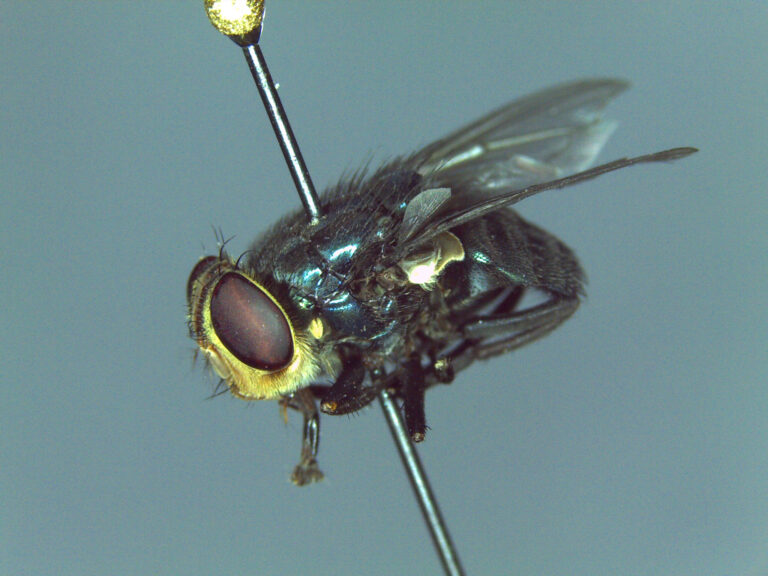
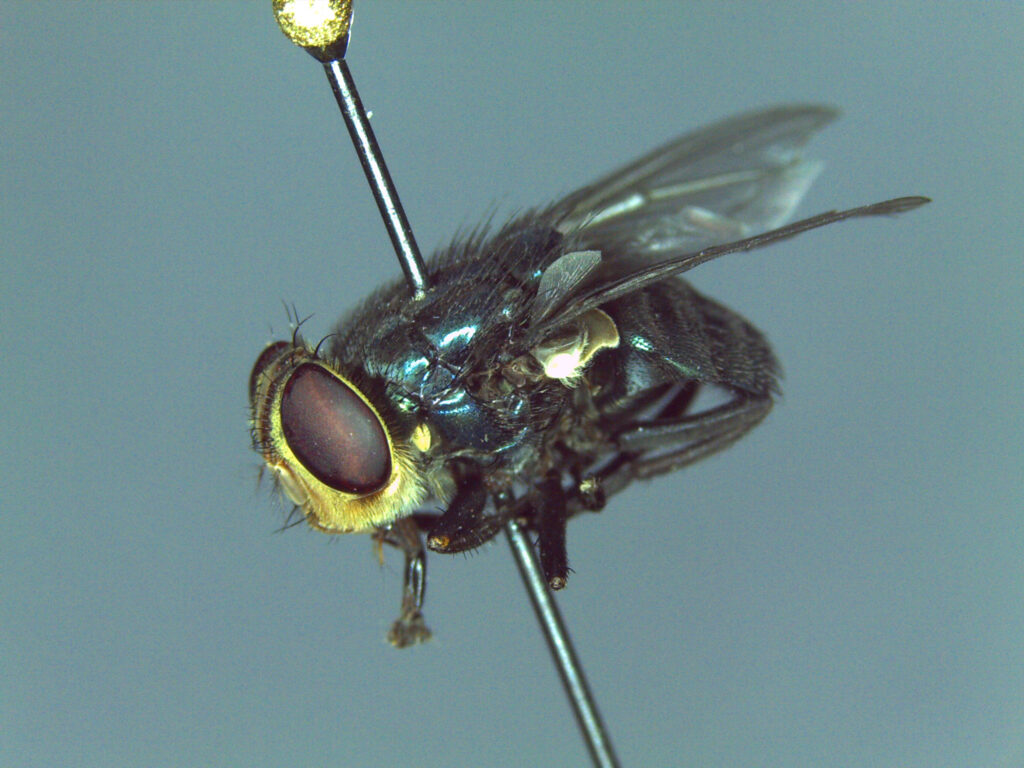
The university received a $2.2 million grant from the U.S. Department of Agriculture to study whether thermal cameras can detect New World screwworm infestations and identify South Texas plants that may attract the flies.
The USDA’s Animal and Plant Health Inspection Service selected the two-year project as part of its New World Grande Challenge awards in June. Researchers hope their finding will help ranchers and wildlife managers detect infestations earlier and identify areas where the flies are likely to gather.
Sarah Maestas, assistant professor and lead researcher on the project, said female screwworm flies lay eggs along the edges of open wounds. Once the eggs hatch, the larvae feed on living tissue and burrow deeper into the wound.
“Companion animals can become infested as well. People can become infested,” Maestas said. “So, it’s not necessarily just a livestock concern.”
Researchers plan to begin using handheld thermal cameras and machine learning to identify signs of infestation in the images. Maestas said the team hopes to eventually mount cameras on drones to survey larger areas.
“We can’t necessarily individually check every animal,” Maestas said, explaining the challenges of monitoring wildlife.
Pushpa Soti, a biology professor and co-investigator, said the collaboration grew out of a guest lecture Maestas gave in her sustainable agriculture course. Soti had previously studied how invasive Guinea grass affects mosquitoes and wanted to investigate whether local vegetation might also influence where screwworm flies gather.
The team plans to release flies into a central chamber connected to compartments containing different plants. Researchers will record where the flies go, how long they stay and which airborne compounds the plants release.
The researchers will study vegetation associated with adult flies to determine which plants may attract them. Maestas said the information could help officials decide where to release sterile male flies so they are more likely to encounter wild flies.
Releasing sterile male flies in areas where wild flies gather could increase their chances of mating with wild females and prevent the females from producing offspring.
The findings could also help ranchers determine when to monitor cattle more closely and help wildlife managers identify areas that need additional surveillance, Maestas said.
Soti said the project will help the university build trust with farmers as they find the answer to their concerns.
“We’ll have a great relationship … the university in their backyard is working towards addressing their problems,” she said.
Two master’s students will conduct thesis research through the project. Maestas said the team also plans to post undergraduate research positions as they become available and may accept volunteers.
“Students who are interested in volunteer research experience are welcome to reach out to me,” Maestas said.
Soti said the USDA is also hiring for positions related to the project.
Interested applicants can search for available positions through the USDA Animal and Plant Health Inspection Service careers website.
About The Author