
Michelle Hernández/THE RIDER
Texas received $7.5 billion in federal reimbursement for money spent on border enforcement, although it is unclear how this may affect the Rio Grande Valley.
The U.S. Department of Homeland Security approved the reimbursement through the State Border Security Reinforcement Fund, according to the Office of the Texas Governor.
The money covers expenses Texas used for border security operations, including spending on Operation Lone Star.
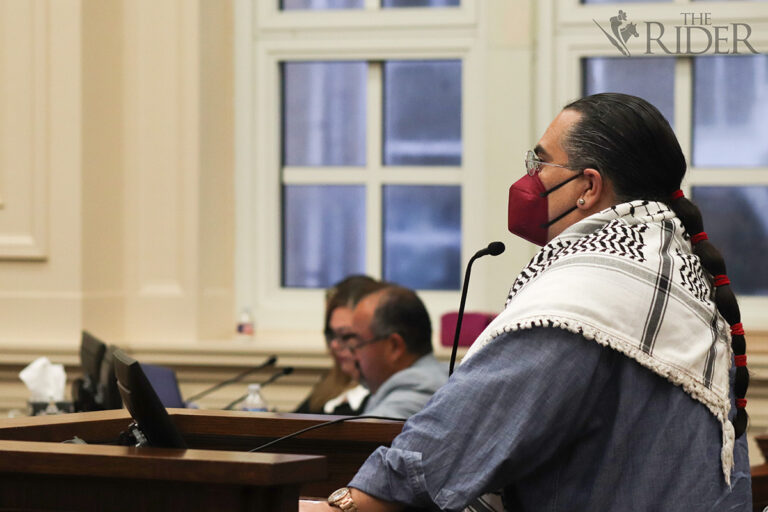
Mark Kaswan, a political science professor for the School of Political Science, Public Affairs, Legal and Security Studies, said decisions about how the reimbursement affects Texas are up to state lawmakers.
“The decisions about how to use the money, the entity that makes those decisions is the state legislature,” Kaswan said.
The RGV has been one of the regions affected by increased border security as Operation Lone Star brought thousands of state law enforcement and National Guard personnel to border communities.
The increased presence had mixed effects on the economy because additional personnel spent money at stores and other businesses, according to Kaswan.
“It was difficult to get a hotel room in the Rio Grande Valley,” he said. “The hotel rates increased substantially because all the hotel rooms were being taken by the National Guard.”
The reimbursement is connected to money Texas spent on border enforcement, including Operation Lone Star, which the state spent $11 billion on under Gov. Greg Abbott to increase state involvement in border enforcement, Kaswan said.
Mario Gonzalez, a biology senior, said the size of the reimbursement stood out to him.
He said he believes some of the money should be spent in the Rio Grande Valley because it is so close to the border.
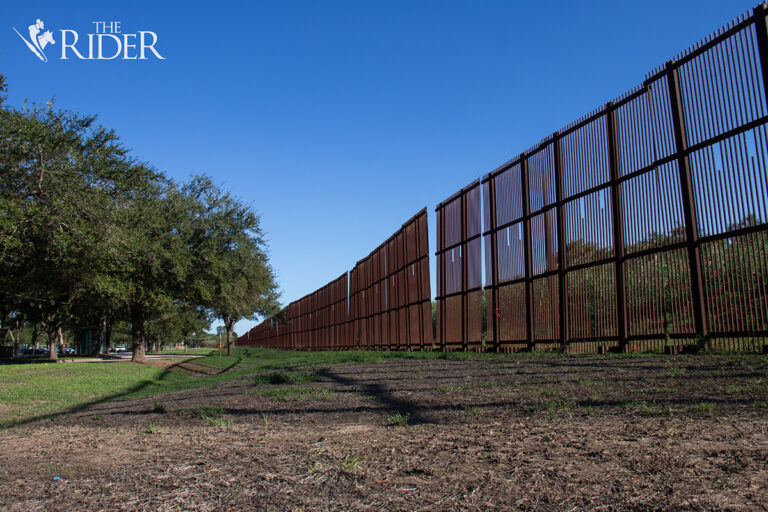
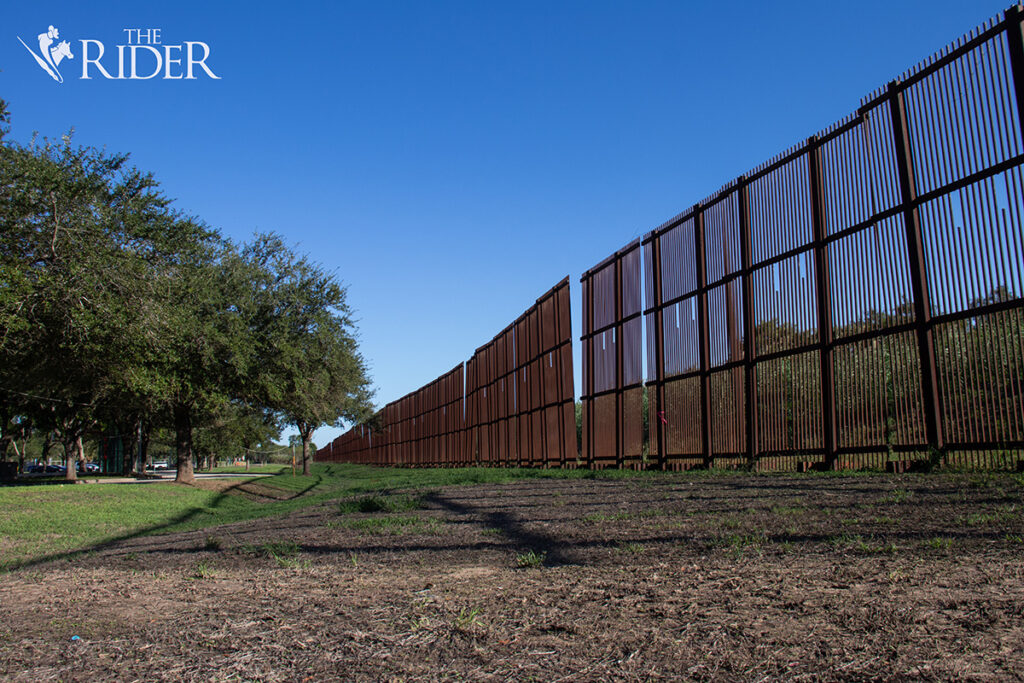
“You could just look to your left sometimes and you see the wall,” he said.
Although the federal reimbursement does not necessarily mean the money will be spent in the RGV, Kaswan said the state could use the money to replace Texas funds which have already been spent on border security.
“If the seven and a half billion dollars goes to Operation Lone Star, it doesn’t necessarily mean more money for Operation Lone Star,” Kaswan said.
Replacing state funds could free money for other priorities, such as improving roads, schools, water infrastructure and other state needs, according to Kaswan.
He also noted higher education as an area of funding concern because UTRGV faces challenges competing with other universities on staff salaries.
“People aren’t going to want to take jobs here if they’re offered jobs at other universities where they can make more,” he said.
It remains uncertain where the reimbursement will have an impact, according to Kaswan.
“It’s really up to the legislature when they convene to decide exactly where, how they’re going to use this money,” he said.